
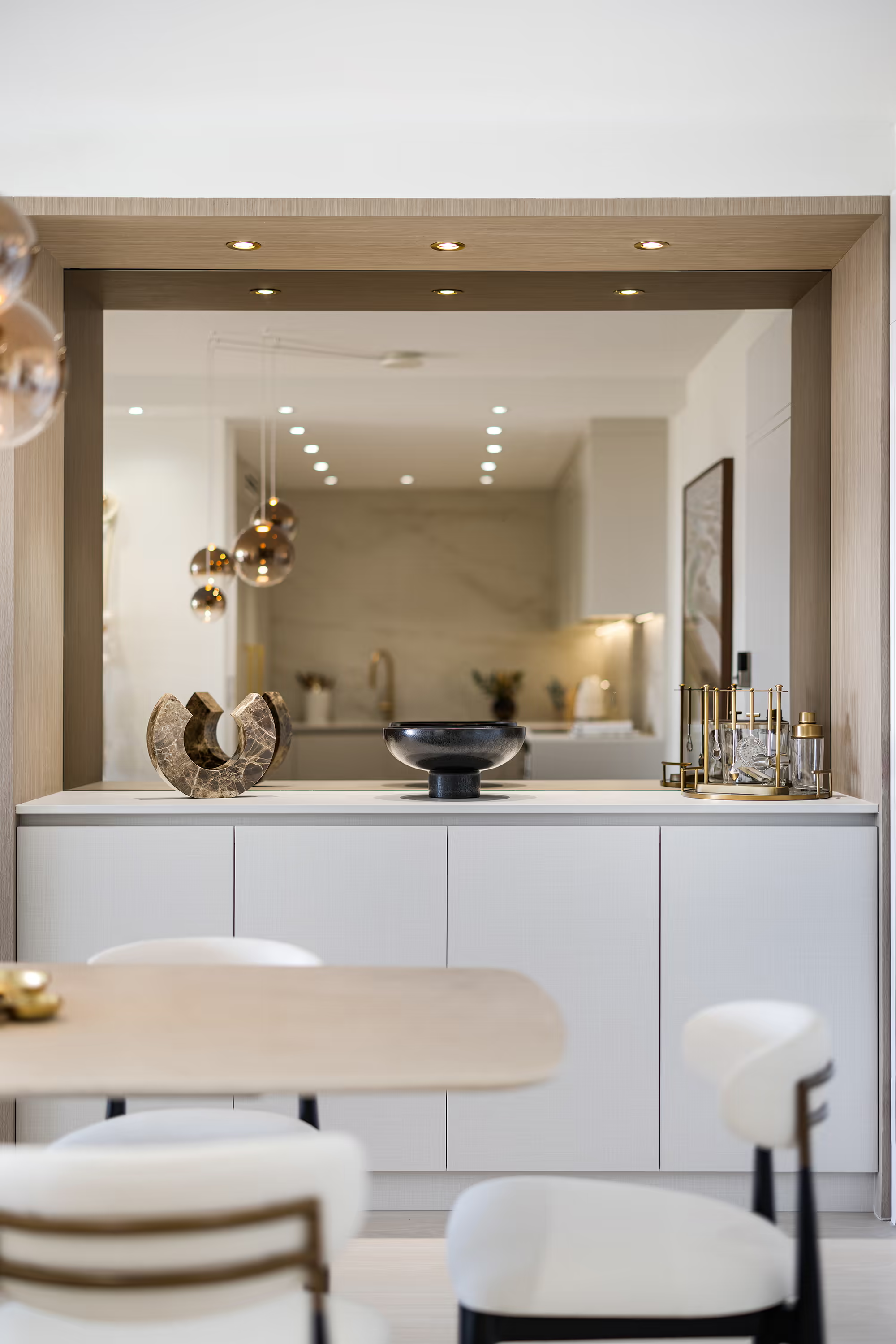
Light changes the way we read a room. It draws attention to texture, gives art a presence, and makes a corner feel inviting. Planning it alongside the furniture and finishes allows the space to work at different times of day.
Rather than asking one fixture to do everything, begin with the activities the room needs to support. A living room might need comfortable light for reading, a gentle background for conversation, and a more focused light on a piece of art.
Start with the room’s natural light
Observe the space in the morning, afternoon, and evening. Notice where sunlight is strong, where it fades, and where reflections make a surface difficult to use. A room that feels bright at noon may need a very different balance after sunset.
Consider window treatments as part of the composition. They affect both privacy and the quality of daylight. Before choosing fixtures, identify where furniture is likely to sit and which areas need additional light.
Give each layer a purpose
Ambient light provides the room’s general illumination. It might come from ceiling fixtures, indirect sources, or a combination. The aim is a comfortable foundation that allows the other layers to do their work.
Task lighting belongs where an activity happens: a lamp beside a reading chair, lighting at a desk, or a considered source above a work surface. Think about the position of the person using it so the light reaches the task without an uncomfortable glare.
Accent lighting adds emphasis. A softly illuminated wall, a sculpture, or the grain of a material can give the room depth. You do not need to highlight everything. A few deliberate focal points often create a more settled atmosphere.
Think about the evening as its own setting
A room does not need to be uniformly bright to feel welcoming. Table lamps and floor lamps create smaller pools of light that make a larger space feel more intimate. Switching between layers allows the room to move from activity to rest.
Controls deserve attention early in the plan. Discuss which sources should operate together and where switches will be most convenient. Have the project’s qualified electrical professional confirm fixture compatibility, dimming, and installation requirements before purchasing.
Let the fixtures belong to the whole
A pendant can act as a sculptural element, but its relationship to the room matters as much as its appearance. Consider the table beneath it, the surrounding views, and the materials nearby. A lamp’s shade and finish can change how its light feels in the space.
In a palette of quiet colors, lighting may provide contrast or texture. In a room with expressive art and furnishings, a simpler fixture can give those pieces room to breathe. Explore Solaris for a look at lighting within a complete interior.
Plan before the finishing touches
Lighting is easiest to coordinate when it is part of the broader interior design process. Furniture layouts, cabinetry, ceiling details, and electrical locations influence each other. Addressing them together reduces the need to work around decisions made in isolation.
Our lighting design service considers both the practical needs of a space and the atmosphere you want to create. The result begins with a simple question: how should this room feel when you are living in it?
Tell us about your home or explore our residential portfolio to see these ideas in practice.