
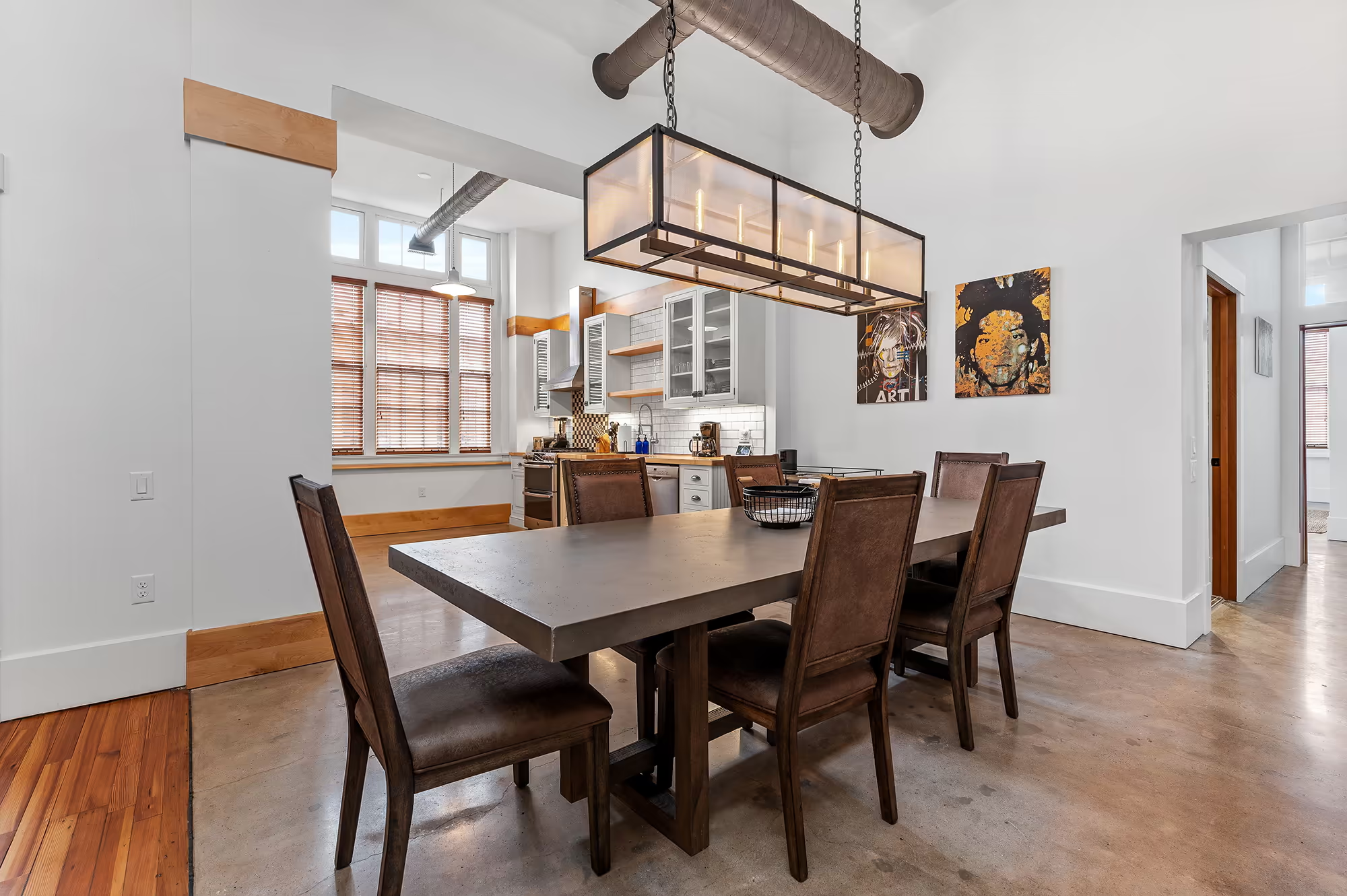
You do not need a finished vision before speaking with an interior designer. The consultation is a place to explore possibilities, identify what matters, and understand what kind of support your project needs. A few notes and references can make that conversation more focused.
1. Begin with the everyday
Think about the moments your home needs to support. Where do you have coffee? How often do friends stay? Does the dining table double as a workspace? Write down what works now and what gets in the way.
Be specific. “We need somewhere comfortable to read after dinner” gives a designer more to work with than “we want a better living room.” Include the needs of everyone who uses the space, and separate daily frustrations from occasional inconveniences.
2. Gather a few images and explain why
A small selection of references is more useful than a large folder of unrelated rooms. For each image, note what draws you in: the light, a color combination, a furniture arrangement, or simply the feeling of calm.
Include things you already own and want to keep. A painting, a family dining table, or a favorite chair may provide a more personal starting point than a trend. You can also browse our residential projects to find examples of the atmosphere you have in mind.
3. Bring the practical details
If you have them, gather floor plans, photographs of the existing space, and information about the property. For a renovation, note any work already planned and any professionals already involved.
A condominium may have requirements around work hours, deliveries, and approvals. A second home may need coordination while you are away. These details help define the design services that will be useful to you. Do not worry if you have not collected every document; simply identify what is available.
4. Think about your investment and priorities
An initial investment range helps connect the scope with realistic choices. Consider the different parts of a project: design services, construction, finishes, furniture, delivery, and installation. The mix depends on what you are planning.
Make a short list of essentials and a second list of wishes. If your priorities are a more functional kitchen and comfortable seating, say so. That makes it easier to discuss where to focus and whether some work can happen later.
5. Share your timing and your questions
Distinguish a firm date, such as a move, from an ideal completion date. Mention anything that could affect access to the property or your availability for decisions. Your designer can then explain what needs to happen before a schedule can be defined.
Ask how decisions are presented, what the proposal includes, and how communication works. Our design process offers an overview from consultation through installation, so you can arrive with questions about the stages that matter most to you.
The aim is a shared understanding, not a perfect brief. Bring your questions, your daily routines, and an open mind. The design grows from there.
Tell us about your home or explore our residential portfolio to see these ideas in practice.